Torn between Walnut and Diamond Bar for your next move? You are not alone. Both communities attract buyers who value strong public schools, suburban comfort, and access to greater Los Angeles. In this guide, you will see how these cities compare on housing, schools, commuting, and everyday life so you can choose with confidence. Let’s dive in.
Walnut vs Diamond Bar at a glance
Both cities sit in the eastern San Gabriel Valley with a similar suburban feel, yet they differ in size, housing mix, and price brackets. Diamond Bar is larger, with more total housing units and broader product variety. Walnut is smaller and more residential by design, with a higher share of single-family homes.
| Key factor | Walnut | Diamond Bar |
|---|---|---|
| Population (2020 Census) | ~28,400 | ~55,000 |
| Typical median sale price (Redfin, Jan 2026) | ~$1.32M | ~$1.05M |
| Owner-occupied rate (ACS 2019–2023) | ~82–83% | ~74–77% |
| Mean commute time (ACS 2019–2023) | ~34.5 minutes | ~34.7 minutes |
These differences shape day-to-day life. Walnut’s smaller scale and higher owner-occupancy give it a quieter, more residential character. Diamond Bar’s larger base supports more parks, trails, and a little more diversity in homes and neighborhood shopping.
For quick reference on population and commute data, see the U.S. Census QuickFacts for Walnut and Diamond Bar.
Housing and budget fit
Walnut housing snapshot
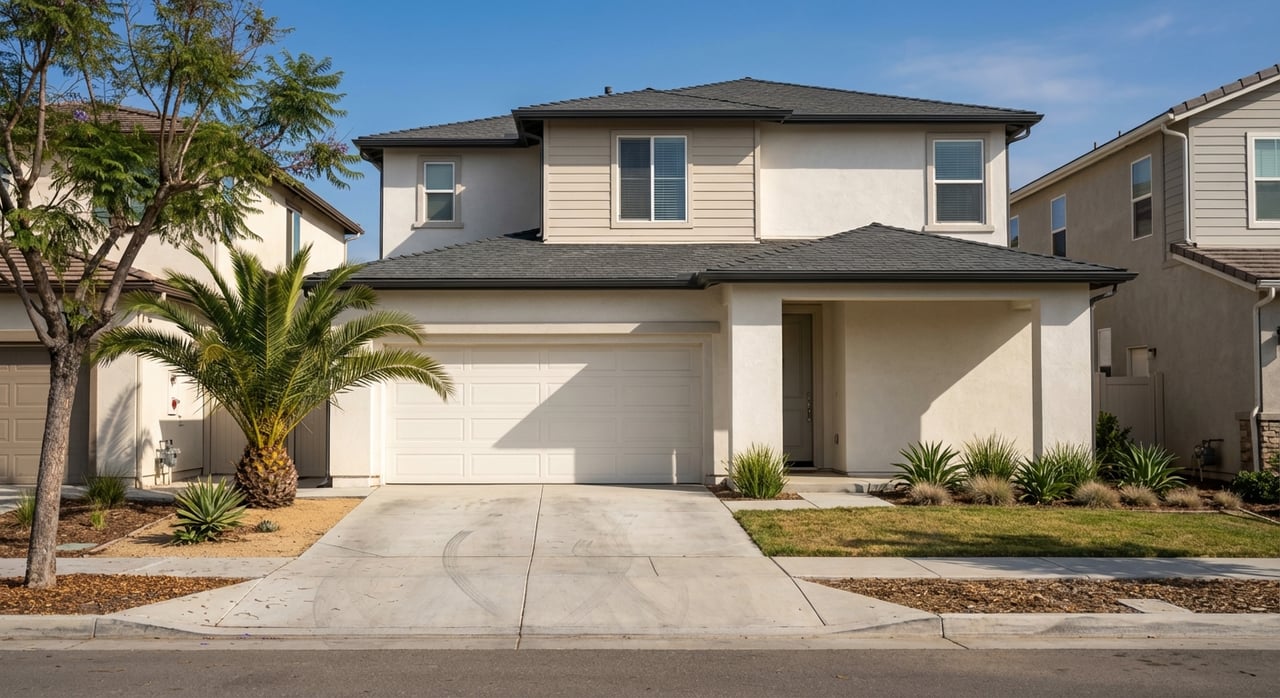
Walnut is predominantly low density and single family, with many owner-occupied homes and a suburban feel that the city aims to preserve. The city describes itself as “primarily a residential community,” and you feel that in the quieter streets and larger lots in select neighborhoods. Family-sized 3 to 4 bedroom homes commonly land in the $1.0M to $2.0M range depending on age, size, lot, and condition. Redfin’s January 2026 snapshot placed the citywide median sale price at about $1.32M.
If you value privacy, lot size, and a smaller-town atmosphere inside the metro, Walnut often rewards the premium. Price per square foot also tends to run higher than in Diamond Bar, reflecting finishes, lot attributes, and limited supply.
For more about the city’s character, review Walnut’s City Facts.
Diamond Bar housing snapshot
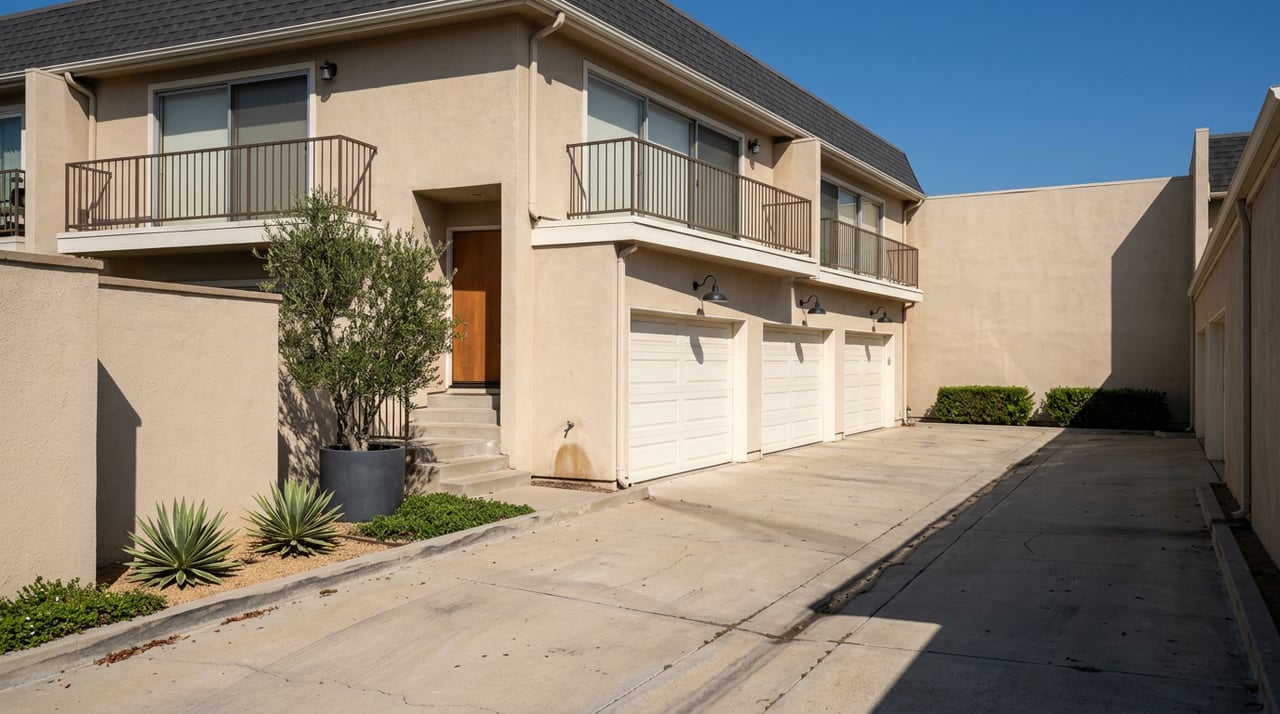
Diamond Bar is also strongly single family, yet you will see more condos and townhomes than in Walnut. That variety creates more entry points for first-time buyers and downsizers. Family homes often range from around $800K up past $1.5M for larger or updated properties. Redfin’s January 2026 snapshot showed an all-hometypes median around $1.05M.
Across both cities, single-family neighborhoods dominate. Diamond Bar’s broader mix and larger population often translate to more active listings to compare, plus a spread of parks and community facilities near many tracts. The city’s Parks & Facilities map is a helpful preview when you start scouting neighborhoods.
Schools and education
One unified district
Both Walnut and Diamond Bar are served by the Walnut Valley Unified School District (WVUSD). WVUSD operates a range of elementary and middle schools that feed into two comprehensive high schools, Diamond Bar High and Walnut High. Families often cite WVUSD’s academic programs and course offerings as reasons to stay within district boundaries.
While third-party rating sites shift each year, district materials and school accountability reports typically highlight strong academic metrics and participation in advanced programs. If you are comparing campuses, look at AP or IB options, specialized STEM pathways, and arts programs that match your student’s interests. Confirm attendance boundaries and program availability directly with WVUSD, since offerings and transfer rules can change.
Higher education access
Mt. San Antonio College (Mt. SAC) sits in Walnut at 1100 N Grand Ave. The college offers transfer pathways, workforce programs, and continuing education that many local families value for dual enrollment and adult learning. You can preview the campus and directions on Mt. SAC’s site at Location & Directions.
Commute and transportation
Driving and freeways
Both communities are car oriented. The mean commute time sits in the mid 30-minute range for each city, based on ACS 2019–2023 estimates. The SR-57 and SR-60 corridors are the primary routes, with access to I-10, I-210, and the 605 depending on where you are headed. Peak congestion around the 57/60 interchange is common, so plan your leaving times and test your routes.
Bus and commuter rail options
Foothill Transit runs regional bus routes across the eastern San Gabriel Valley, including park-and-ride connections that some commuters prefer for daily travel. You can review schedules and options on Foothill Transit.
Neither Walnut nor Diamond Bar has a Metrolink station within city limits. Many residents use nearby stations such as Pomona, Industry, or Claremont for rail into Union Station and beyond. If rail is a priority, identify the nearest station to your target neighborhood and time the drive and parking. For station and ticket outlet details, see Metrolink’s outlets page.
Parks, shopping, and everyday feel
Diamond Bar parks and trails
Diamond Bar maintains a network of neighborhood parks, community centers, and trail segments that support an active, family-friendly lifestyle. The city lists nine parks with amenities plus trails like Summit Ridge and Sycamore Canyon. Explore facilities and locations on the city’s Parks & Facilities page.
Walnut community vibe
Walnut reads quieter and more residential, with a focus on low-density neighborhoods and community identity. Many areas have trail access into surrounding hills, and proximity to Mt. SAC brings cultural and athletic events within easy reach. The city’s profile is summarized on its City Facts page.
Shopping and daily conveniences
You will find neighborhood shopping centers, restaurants, and services in both cities. Walnut’s smaller scale means fewer large commercial clusters, while Diamond Bar’s larger population supports more options across different corners of the city. When you tour, note which plazas serve your most-used errands so your weekly routine stays simple.
Which one fits you?
Choosing between Walnut and Diamond Bar often comes down to lifestyle priorities, budget, and your preferred neighborhood feel.
- Choose Walnut if you want WVUSD schools, a quieter residential setting, and larger lots, and you are comfortable with higher typical prices. The city’s smaller size and higher owner-occupancy rate align with a more private, residential feel.
- Choose Diamond Bar if you want WVUSD schools plus more housing variety and price entry points, along with a robust set of parks and community facilities. The city’s larger base creates more options to compare across single-family, townhome, and condo products.
How we help you decide
If you are weighing Walnut against Diamond Bar, a neighborhood-by-neighborhood plan makes the difference. We help you match school preferences with specific attendance zones, test your commute options, and line up active listings that fit your target budget and home features. We also preview park access, shopping convenience, and future resale factors so you can buy with confidence.
The About You Team provides bilingual guidance in English, Mandarin, and Taiwanese, plus end-to-end support for buying, selling, leasing, and property management. Ready to narrow your shortlist and tour the right homes? Connect with the About You Team for local, data-informed advice.
Local resources
- Walnut Valley Unified School District: WVUSD
- Mt. San Antonio College: Location & Directions
- City of Walnut overview: City Facts
- City of Diamond Bar parks: Parks & Facilities
- Foothill Transit regional bus: Foothill Transit
- Metrolink ticket outlets and nearby stations: Metrolink
- Law enforcement and public safety: LASD Walnut/Diamond Bar Station
- Population and commute stats: U.S. Census QuickFacts for Walnut and Diamond Bar
FAQs
Is Walnut or Diamond Bar more affordable for buyers in 2026?
- Redfin’s January 2026 snapshot showed a median sale price of about $1.32M in Walnut and about $1.05M in Diamond Bar, which points to generally lower entry points in Diamond Bar, especially for condos and townhomes.
What school district serves both Walnut and Diamond Bar?
- Both cities are in the Walnut Valley Unified School District, and you can review schools, attendance boundaries, and programs on the WVUSD site.
How long is the average commute from these cities?
- ACS 2019–2023 estimates show mean travel times around 34.5 minutes in Walnut and 34.7 minutes in Diamond Bar, reflecting a mostly car-based commute profile.
Are there good parks and trails in Diamond Bar?
- Yes, Diamond Bar operates multiple parks, community centers, and trails such as Summit Ridge and Sycamore Canyon; see the city’s Parks & Facilities page for details.
Does Walnut have a nearby college for dual enrollment or adult learning?
- Mt. San Antonio College is located in Walnut and offers transfer, workforce, and continuing education programs; view campus details at Location & Directions.
What are the nearest Metrolink options if I want to take the train?
- While neither city has a station within city limits, many residents use nearby stations like Pomona, Industry, or Claremont; check station and ticket information on Metrolink.
Who provides local law enforcement in Walnut and Diamond Bar?
- The Los Angeles County Sheriff’s Department serves both communities through the Walnut/Diamond Bar Station; find contact information and updates on LASD’s page.