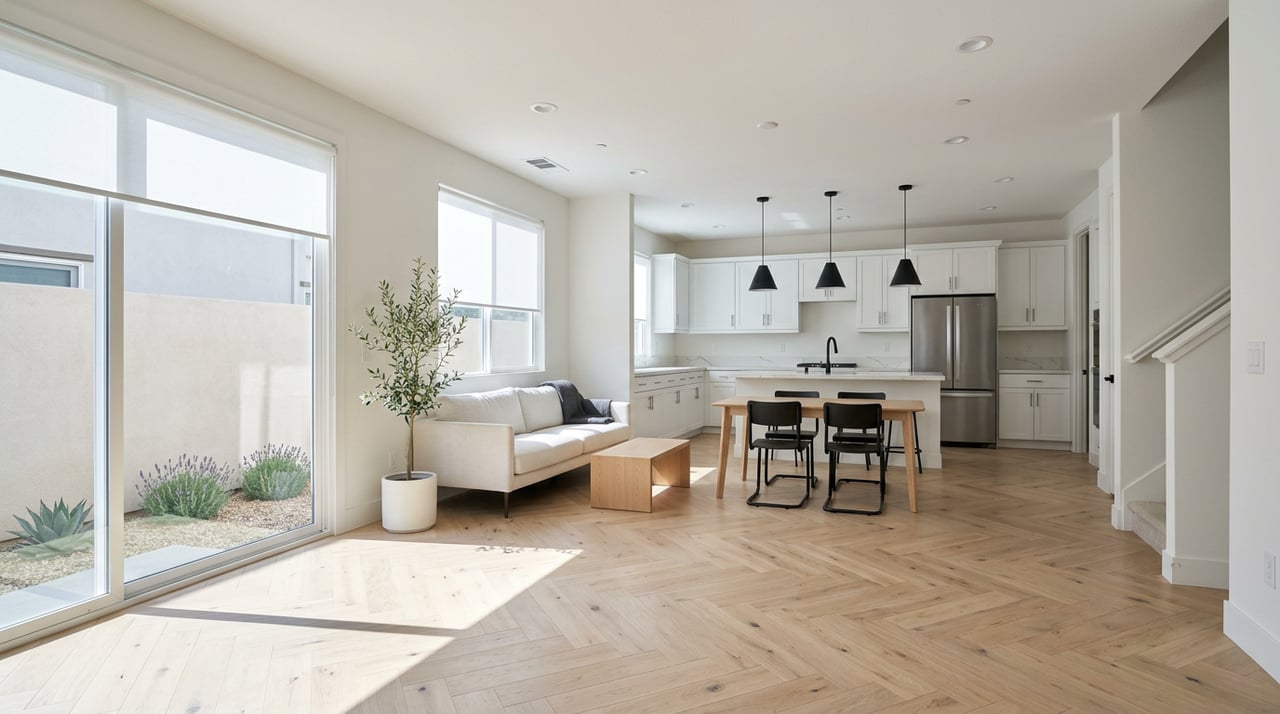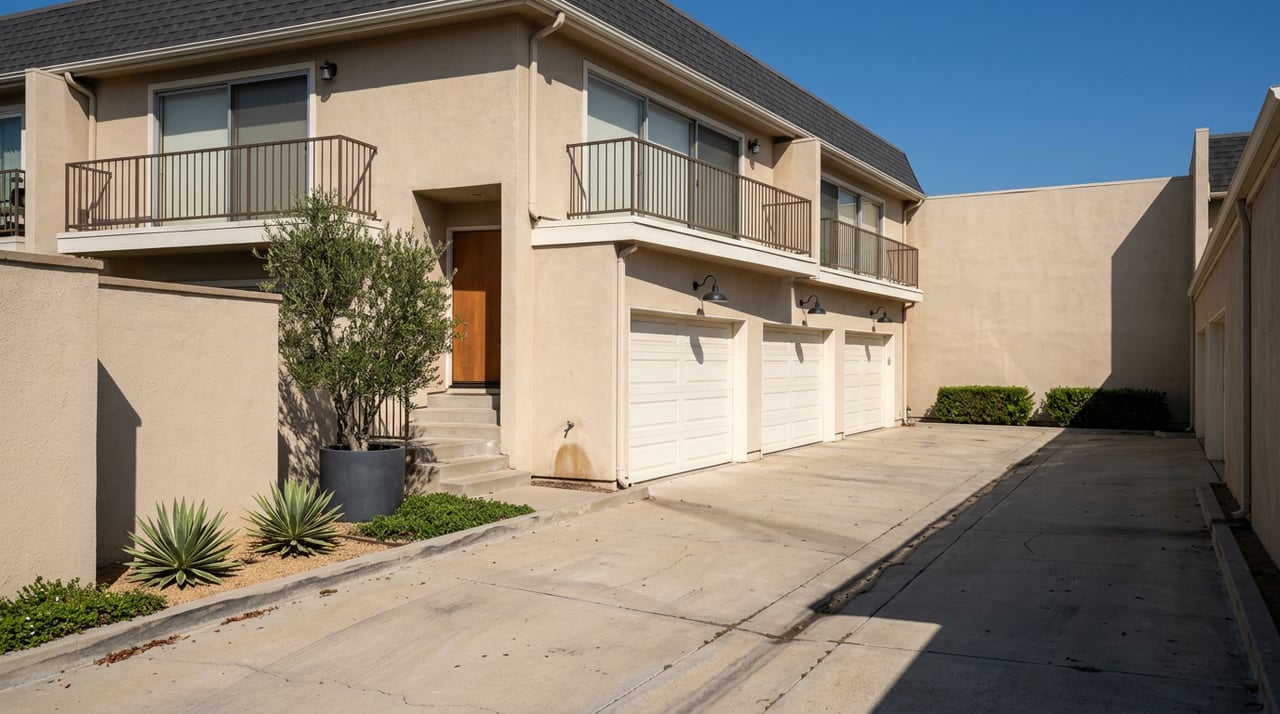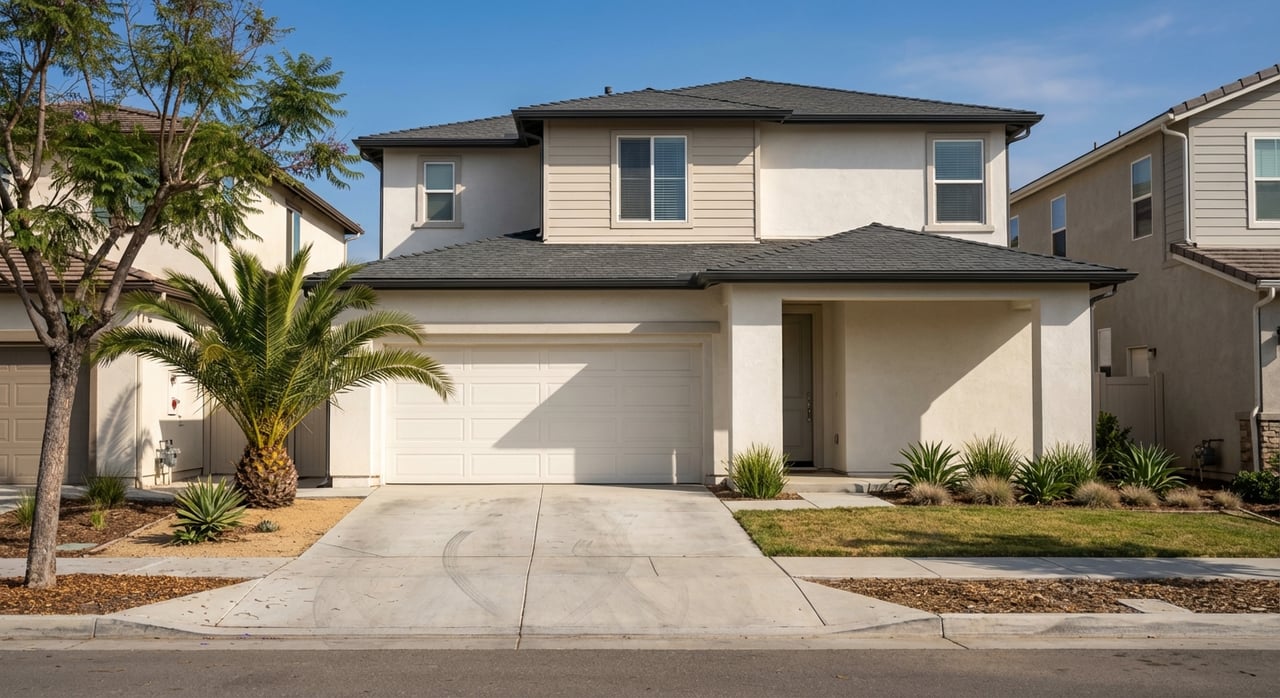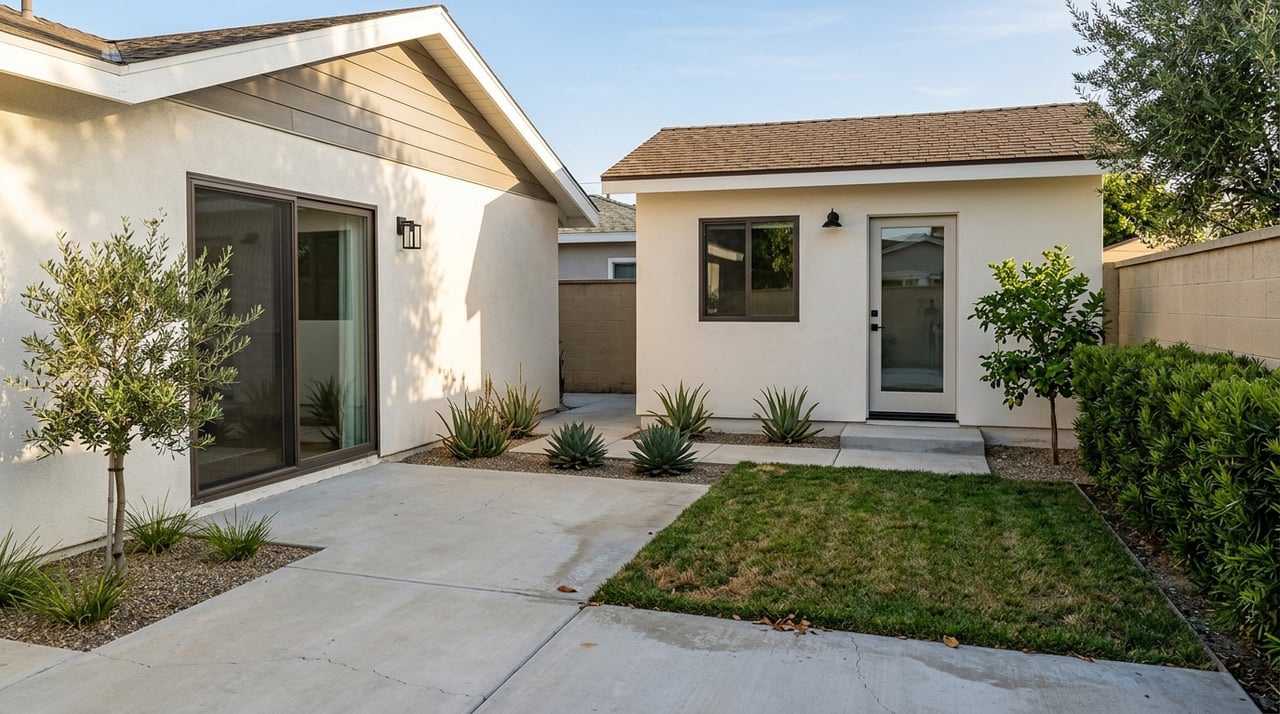
Wondering whether your Temple City home could support aging parents, adult children, or a little extra rental income? You are not alone. In a compact city where space is limited and housing costs are high, accessory dwelling units, or ADUs, have become one of the most practical ways to create flexibility without leaving the neighborhood you already know. This guide walks you through how ADUs and multigenerational living options work in Temple City, what local and state rules matter most, and what to think about before you make a move. Let’s dive in.
Why ADUs matter in Temple City
Temple City is a small, built-out community with 36,494 residents living within 4 square miles, which means most homeowners are not working with oversized lots or abundant vacant land. According to the U.S. Census QuickFacts for Temple City, the city has 11,454 households, an owner-occupancy rate of 62.9%, a median owner-occupied home value of $961,800, and a median gross rent of $2,135.
That local context helps explain why ADUs are getting attention. Instead of searching for more land, many homeowners are looking at ways to make better use of the parcel they already own. For some, that means creating private space for family. For others, it means adding a unit that may support long-term housing flexibility and supplemental income.
Temple City has also been actively planning for this trend. In the city’s 2024 General Plan and Housing Element progress report, Temple City reported 124 ADUs permitted from 2022 through 2024, with a planning-period goal of 275 ADUs, along with a pre-approved ADU program and code updates to align with state law.
How ADUs support multigenerational living
One of the biggest benefits of an ADU is flexibility. The California Department of Housing and Community Development, or HCD, describes ADUs as a tool to keep extended families close, preserve privacy, support aging in place, and generate income. You can review those state-level benefits on HCD’s ADU benefits page.
For Temple City homeowners, that can translate into several practical living setups. The right option depends on your lot, your existing home layout, and how much separation your household wants.
JADU inside the main home
A junior accessory dwelling unit, or JADU, is often the simplest fit for multigenerational living. HCD describes a JADU as a unit of up to 500 square feet created within an existing or proposed single-family home, usually with its own exterior access.
This setup may work well if you want a parent, caregiver, or adult child nearby but not fully sharing daily living space. Because the JADU stays within the main residence envelope, it can sometimes be a more practical path than a full detached build.
Garage conversion or interior conversion
If you already have a garage or another accessory structure, conversion may be worth exploring. For many Temple City properties, existing structures can offer a lower-impact path to adding livable space than building from the ground up.
This option can be useful when you want a private suite for family members, a home office with independent access, or a smaller rental unit. It may also make sense on lots where rear-yard buildable area is limited.
Detached backyard ADU
A detached ADU usually offers the most privacy. If your goal is to create separate living quarters for extended family, this tends to be the closest option to having two independent homes on one lot.
In Temple City, detached ADUs are often most feasible in the rear yard, depending on lot layout and setbacks. This can be a strong option for households who want togetherness without giving up personal space.
What Temple City lots usually allow
Temple City’s residential standards shape what is physically realistic on a property. Under the city’s R-1 development standards, newly created lots are generally 7,200 square feet, front setbacks must stay between 20 and 30 feet based on neighboring homes, side setbacks are 5 feet on the first story, rear setbacks are 15 feet on the first story, and structures must stay 10 feet apart.
In plain terms, that means the front yard is usually not the easiest place to add an ADU. More common opportunities may include:
- Rear-yard detached ADUs
- Side-yard placement, if dimensions work
- Garage conversions
- Conversions of existing accessory structures
- JADUs carved out of the main home
Because Temple City is already fairly built out, feasibility often comes down to configuration, not just lot size. A property with an older detached garage, deep rear yard, or extra separation between buildings may offer more options than a larger lot with an awkward layout.
Key state rules that help homeowners
California law gives homeowners important baseline protections for ADU development. According to HCD’s ADU handbook update, local governments may not impose minimum lot-size requirements for ADUs. They also cannot use lot coverage, floor-area-ratio, or open-space rules to block an otherwise qualifying ADU of at least 800 square feet with four-foot side and rear setbacks.
That matters because it creates a statewide framework that can open doors on lots that might otherwise seem too constrained. It does not mean every lot can support every design, but it does mean homeowners have clearer rights than they did a few years ago.
State rules also allow meaningful combinations on single-family lots. HCD says local agencies must allow, when site conditions permit:
- One converted ADU from existing space
- One JADU
- One newly constructed detached ADU
For some multigenerational households, that could create a very flexible property setup over time. You may be able to house family in stages rather than trying to solve every need with one project.
Temple City process basics to know
Temple City’s ADU and JADU regulations page says complete ADU and JADU applications are reviewed ministerially, which means they do not go through a discretionary public hearing process. The city must approve or deny a complete application within 60 days.
That streamlined process can make planning easier if you are comparing Temple City with communities that feel less predictable. The same city page also notes a pre-approved ADU plan process, which may help reduce design time for some homeowners.
Temple City also offers an AB 2533 pathway for pre-2020 unpermitted ADUs or JADUs. If you own a property with older unpermitted space, that may be an especially important issue to discuss before listing, renovating, or making long-term family plans.
There is one important caution. Temple City notes on its Municipal Code page that the online code is updated regularly but may lag behind newer ordinances, and the city’s housing report also says its ADU code update was still being completed. That means project-specific standards should always be confirmed directly with Planning before permit submission.
ADUs as a rental income strategy
In Temple City, ADUs are not only about family living. They can also support homeowners who want to create supplemental income from their property. That idea is especially relevant in a market where the Census reports a median gross rent of $2,135 and a median owner-occupied home value of $961,800.
HCD specifically identifies income generation as one of the benefits of ADUs. In practical terms, a well-designed ADU may help offset ownership costs, support long-term holding strategies, or improve flexibility for future life changes.
If you are thinking about income potential, focus on the full picture rather than just monthly rent. Consider design costs, permitting, construction scope, privacy between units, parking realities, and how the added unit fits your long-term plans for occupancy, leasing, or resale.
When SB 9 may enter the conversation
Some Temple City owners may need more flexibility than a standard ADU setup can provide. In those cases, the city’s SB 9 Urban Lot Splits and Urban Dwelling page may be worth reviewing.
Temple City says it has adopted rules for these projects. For urban lot splits, the code requires an R-1 location, no historic designation, at least 1,200 square feet per new parcel, and owner occupancy of one unit for three years.
SB 9 is a separate path from a typical ADU or JADU project, so it is not the right fit for every homeowner. Still, if your goals involve a more significant property reconfiguration, it can be useful to understand that this option exists.
Questions to ask before you buy or build
If you are shopping for a home in Temple City with ADU potential, or evaluating whether your current home can support multigenerational living, start with a few practical questions.
Lot layout and access
Can you realistically fit a detached unit in the rear yard? Is there an existing garage or accessory structure that could be converted? Does the side yard provide enough separation and access?
Household goals
Are you planning for aging parents, adult children, live-in support, or rental income? Your answer affects the best floor plan, level of privacy, and likely timeline.
Current and future use
Will you live on the property long term, lease part of it out, or eventually sell? The most useful ADU is the one that supports both your immediate needs and your future options.
Permit status
If there is already bonus space on the property, was it permitted? In Temple City, older unpermitted units may need special attention before they can be safely counted on in your plans.
Why local guidance matters
ADUs are shaped by state law, city process, and the specific layout of each property. Two homes on the same street can have very different options depending on setbacks, existing structures, and how the main house sits on the lot.
That is why it helps to work with a local team that understands how Temple City properties function in the real world, not just on paper. Whether you are buying with multigenerational living in mind, evaluating resale value, or weighing rental possibilities, the best strategy starts with the property itself.
If you want help identifying Temple City homes with ADU potential or understanding how your current property may support a future addition, the About You Team can help you think through your options with a practical, neighborhood-focused approach.
FAQs
What is an ADU in Temple City?
- An ADU in Temple City is an accessory dwelling unit on the same lot as a primary home, and it may be created through new construction or conversion of existing space, subject to state law and city review.
What is a JADU for multigenerational living?
- A JADU is a junior accessory dwelling unit, typically up to 500 square feet, created within an existing or proposed single-family home and often used for a parent, adult child, or other household member who needs more privacy.
How long does Temple City take to review an ADU application?
- Temple City says complete ADU and JADU applications are reviewed ministerially and must be approved or denied within 60 days.
Can a Temple City homeowner build more than one accessory unit?
- Under California rules summarized by HCD, a single-family lot may allow one converted ADU, one JADU, and one newly constructed detached ADU when site conditions permit.
Do Temple City ADU rules always match the online code?
- Not always, because Temple City notes that its online code may lag newer ordinances, so exact standards should be confirmed with the city’s Planning Division before moving forward.
Can an ADU in Temple City help with rental income?
- It may, because HCD identifies income generation as a benefit of ADUs, and Temple City’s housing costs suggest many owners explore ADUs as both a family-housing and supplemental-income strategy.